If you have gone looking for this kind of massage, you have probably met three names — Lomi Lomi, KaHuna, Hawaiian massage — often used as if they were one thing. They are family, and it is worth a few minutes to meet the family properly, because knowing where this work comes from makes receiving it even lovelier.
Lomi Lomi: the root
Lomi Lomi is the traditional bodywork of Hawaii. In Hawaiian, *lomi* means to knead, to rub, to soothe — and doubling a word gives it warmth and emphasis, so *lomi lomi* is something like "truly, deeply worked on". For generations it was practised within Hawaiian families and healing traditions, passed from teacher to student as something far bigger than technique: a practice of care for the whole person, done with love and full attention.
That last part is the heart of it. In the Hawaiian way of seeing things, how you touch someone matters as much as where. The practitioner's presence — unhurried, warm, wholly there — is considered part of the medicine.
KaHuna: the branch that grew here
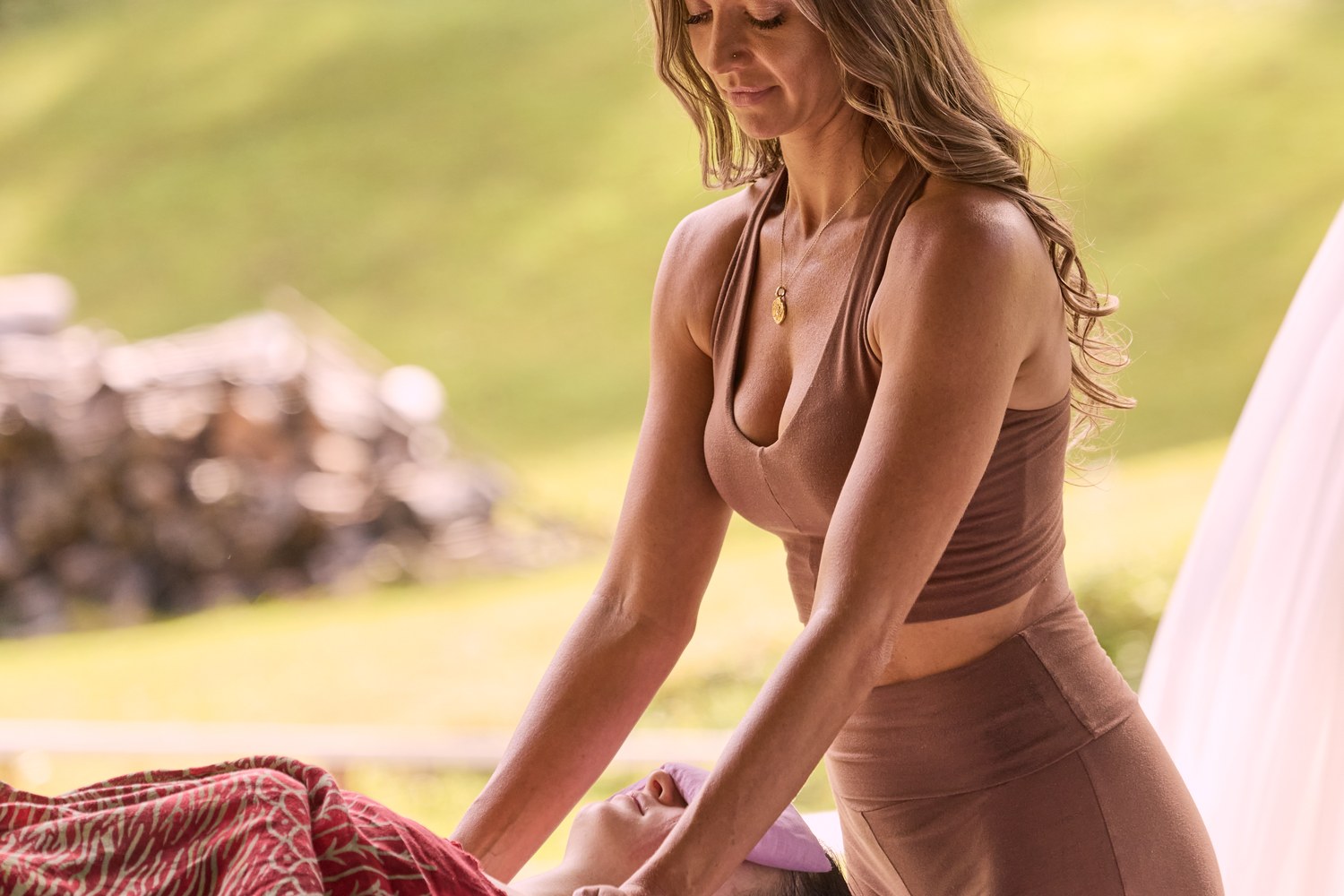
The style most often called KaHuna bodywork is how that lineage is widely taught and practised here in Australia — a way of working that grew from Hawaiian lomi roots as teachers brought the practice across the Pacific and passed it on. It keeps the essentials: the long flowing strokes, the rhythm, the use of hands and forearms, the practitioner moving continuously around the table rather than standing planted at one spot.
I say this with respect and honesty: I am not Hawaiian, and I would never claim to offer exactly what a traditional Hawaiian practitioner offers on the islands. What I practise is KaHuna bodywork as it was taught to me — with deep gratitude to the tradition it grew from, and with the intention at its centre kept fully intact: whole-person care, given with presence and love.
What the family shares on the table
Whichever name it wears, this bodywork feels unmistakably itself:
Long, unbroken strokes. Rather than working one muscle at a time, the strokes travel — down the back, along the whole length of the body — so you stop being a collection of parts and start feeling like one continuous, connected whole.
Rhythm and flow. The work has a tide to it. I move around the table as I work, and the strokes link into each other without seams. Many people say it feels closer to being danced with, or rocked, than to any massage they have had before.
Forearms as well as hands. Broad, warm, wave-like contact that lets the pressure be deep without ever being sharp.
Presence. The quiet sense that for this hour, someone is entirely with you. Of everything on this list, that is the one people remember longest.
What it feels like to receive
People come off the table describing it in ocean words — floated, washed, carried. The rhythm gives the busy mind nothing to grip, so it lets go; the continuity lets the body trust the contact and soften far beyond what stop-start work usually reaches. If you have never received it, your first KaHuna massage: what to expect walks you through a session gently.
Feel the lineage for yourself
Words can only carry so much of this one — it really is a practice you understand through the skin. KaHuna bodywork is the centre of what I do at my treatment space in Bilinga, on its own or woven with sound and energy work. Everything is on the work page, and when you are ready, book a time and come feel what all the names are pointing at.
Sending so much love,
Bryony 💗